Specialist Kenya safari for photographers differs from standard holidays through their specific operational design. These tours secure full-day park permits for all-day animal tracking, use modified 4x4 Land Cruisers with space for tripods, and involve expert vehicle positioning for optimal sun angles. The expeditions are structured for photographers seeking specific images, a focus not found on general safari itineraries.
How Specialist Photography Safaris in Kenya Differ from Standard Tours

A specialist photography safari in Kenya is structured to help you capture high-quality images, whereas a standard tour is designed to show you wildlife. This difference in purpose affects every part of the safari, from daily schedules to guide expertise.
The primary operational difference is the time spent in the field. A specialist photography safari secures full-day park permits, allowing photographers to remain in the park from sunrise to sunset.
Extended field time permits tracking animals for longer periods and waiting for specific behaviours or ideal light conditions to develop. Standard safaris operate with separate morning and evening game drives, requiring a return to the lodge for lunch.
Vehicle configuration is a second major point of difference. Dedicated photo safari vehicles are modified for stability and space, often with removed seats, which contrasts with standard vehicles designed for maximum passenger capacity.
The guide's expertise is also highly specialised. A photography guide understands light, composition, and animal behaviour specifically for photographic purposes, which is a different skillset from that of a general safari guide.
Specific Modifications Made to Safari Vehicles for Photography Tours in Kenya
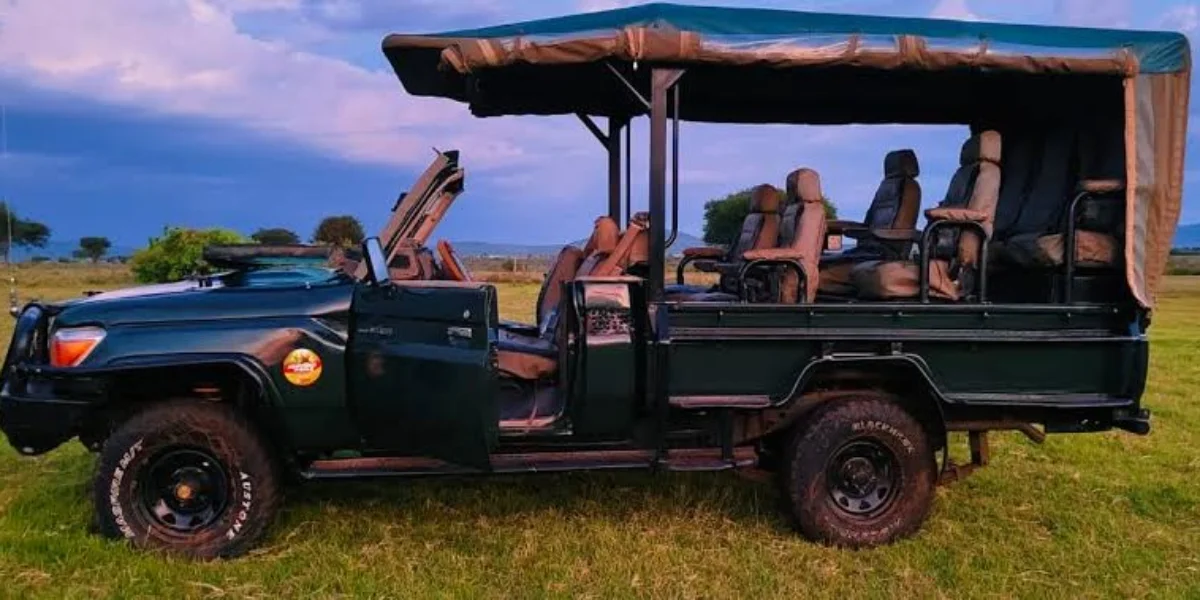
Safari vehicles for photography tours are modified 4x4 Land Cruisers that function as mobile hides. The modifications directly affect image quality, stability, and photographer comfort.
Operators often remove the middle row of seats to create more space for equipment and movement. The resulting open-plan area allows a photographer to set up a tripod, store a second camera, or change shooting positions without obstruction. This configuration is particularly useful for tracking moving wildlife.
Large, firm bean bags are provided for lens stability on window sills and the roof, a key factor in capturing sharp images in low light. Many vehicles also feature custom pop-up roofs or open sides to allow for lower shooting angles and clear panning shots.
Typical Cost for a Specialist Photography Safari in Kenya
The cost of a specialist photography safari is higher than a standard package due to the guide's expertise, custom vehicles, and bespoke itinerary. The following price guide in Great British Pounds (GBP) provides a budget baseline for UK travellers, excluding international flights.
| Safari Tier & Duration | Typical Locations | Estimated Cost Per Person (GBP) |
|---|---|---|
| Mid-Range (8-10 Days) | Maasai Mara, Amboseli | £5,500 - £8,000 |
| Luxury (8-10 Days) | Maasai Mara, Amboseli, Samburu | £8,500 - £12,000+ |
| Great Migration Special (12-14 Days) | Maasai Mara (multiple locations) | £9,000 - £15,000+ |
The listed prices provide a baseline for planning. A safari's final cost depends on the specific lodges, season, and the exclusivity of the vehicle and guide arrangements.
Key Inclusions and Exclusions
A specialist photography safari package typically includes all major in-country costs. Inclusions cover full-day park permits, a dedicated photography guide, a modified 4x4 vehicle, full-board accommodation, all park fees, and Kenyan airport transfers.
Costs that UK travellers must budget for separately almost always include international flights from the UK to Nairobi (Jomo Kenyatta International Airport), the Kenya Electronic Travel Authorisation (eTA) fee, travel and medical insurance, personal items, alcoholic beverages, and gratuities.
How Safari Duration and Lodge Choice Impact Pricing
Safari duration and accommodation standard are the two primary factors that determine the total price. Safaris are priced per person, per day, meaning a longer trip directly increases the overall cost but also provides more time for photography.
Accommodation choice also heavily influences the final price, with options ranging from mid-range tented camps to luxury lodges. Luxury properties typically offer a higher service level and are often situated in private conservancies that permit activities like night drives.
Seasonal demand affects pricing, with costs peaking during the Great Migration season from July to October. This period corresponds with the highest demand for safari services in the Maasai Mara.
Which Kenyan Parks are Best for Wildlife Photography?
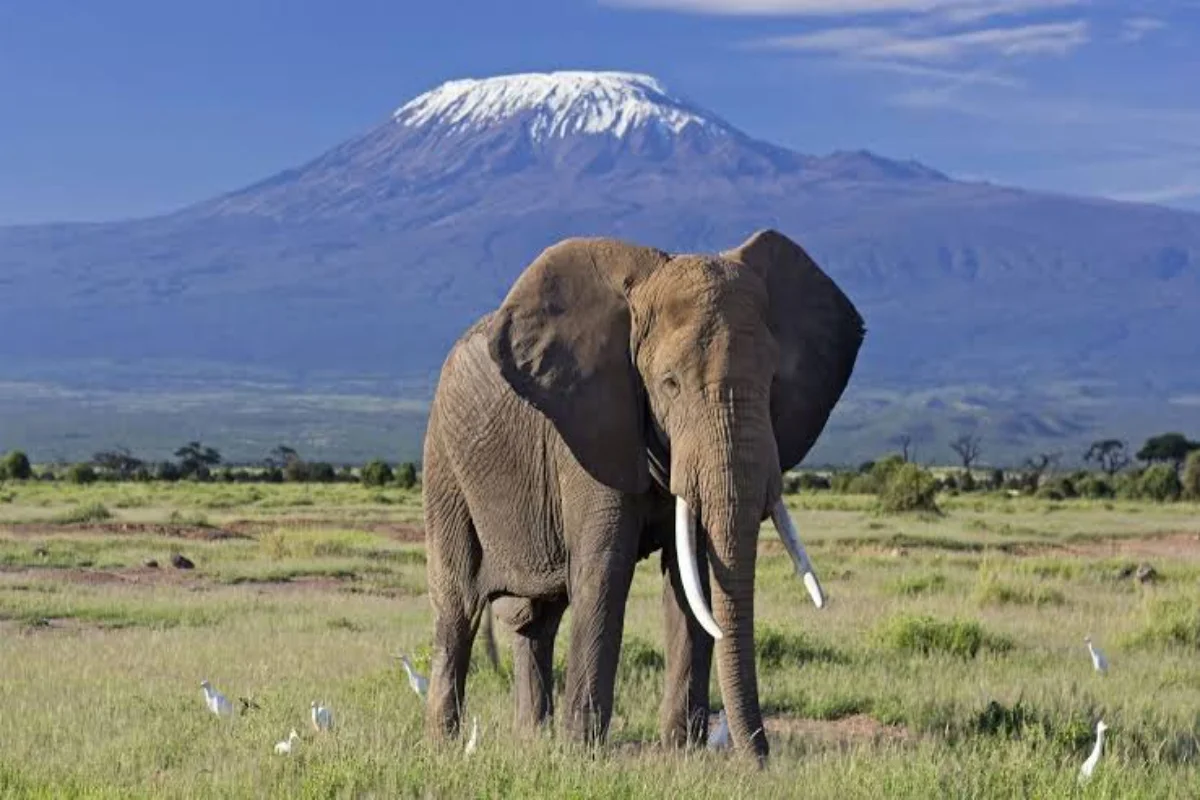
Several Kenyan national parks and reserves are considered premier destinations for wildlife photography, each offering a distinct collection of subjects and landscapes.
- Maasai Mara National Reserve: The Mara is a top destination for big cat photography due to its open savannahs and high concentrations of lions, leopards, and cheetahs. The reserve hosts the Great Migration from July to October, offering photographers dramatic scenes of wildebeest river crossings.
- Amboseli National Park: Amboseli is known for its large elephant herds, which can be photographed against the backdrop of Mount Kilimanjaro. The park's flat, dusty plains create clean backgrounds that isolate wildlife subjects effectively.
- Samburu National Reserve: Samburu offers photographers access to unique species. The arid landscape supports the 'Samburu Special Five': Grevy's zebra, reticulated giraffe, Somali ostrich, beisa oryx, and gerenuk. The Ewaso Ng'iro river is also a reliable location for leopard sightings.
What is the Ideal Time of Year for a Kenya Photography Safari?
The ideal time for a photography safari in Kenya depends on specific photographic goals. Kenya's two main seasons, dry and green, each provide distinct advantages for wildlife photographers.
The dry seasons, from July to October and January to February, are popular for wildlife photography. Vegetation is less dense during these periods, making animals easier to locate as they gather around water sources. The July to October window aligns with the Great Migration in the Maasai Mara, providing significant action photography opportunities.
The green season from November to March also offers excellent photographic conditions. The landscape provides colourful backdrops, and the period is the birthing season for many species. Photographers benefit from softer light, dramatic cloud formations, and fewer tourists in the parks.
Photography Equipment Recommended for a Kenya Safari

Bringing the correct photography equipment is a primary requirement for a successful safari. A versatile telephoto zoom lens (e.g., 100-400mm or 200-600mm) is the most important item. A second camera body with a wide-angle lens, such as a 24-70mm, works well for landscape images.
Key accessories include multiple spare batteries, extra memory cards, a dust blower, and lens cloths. UK travellers must also pack a UK-to-Kenya plug adapter (Type G) to charge equipment at lodges and camps.
A specialist photography guide is as important as your camera equipment. These guides are skilled in vehicle positioning for optimal light, anticipating animal behaviour for action shots, and ensuring the vehicle remains stable for sharp images.
Do Specialist Photography Safaris in Kenya Include Workshops?
Many specialist photography safaris include educational components such as workshops and critique sessions. These sessions typically occur during the midday break or in the evening at the lodge, providing a structured learning environment.
A professional photographer often leads these sessions, covering topics from field techniques to post-processing with software like Adobe Lightroom. Image critiques offer personalised feedback, helping participants analyse their work and identify areas for improvement. This educational element adds significant value beyond a standard safari holiday.
Booking a Specialist Photography Safari in Kenya from the UK
Selecting the right operator is the first step in booking a photography safari. UK travellers should choose companies that specialise only in photographic tours, not general operators. Reviewing guide portfolios and client testimonials helps verify an operator's expertise.
Provide specific photographic objectives, such as a focus on big cats or birds, during your initial enquiry. An operator uses these details to create a suitable itinerary. The booking process includes a consultation, a formal proposal, and a deposit payment, often accepted in GBP by UK-facing operators. [Contact Kenya Safari Trails to book]
Visa and Flight Arrangements for UK Citizens
UK passport holders travelling to Kenya need a Kenyan Electronic Travel Authorisation (eTA). You must apply for the eTA online at least two weeks before your departure date. Your passport requires a minimum of six months' validity from your entry date into Kenya.
Direct flights from London Heathrow (LHR) to Nairobi (NBO) are the primary route from the UK. Booking international flights three to six months in advance generally secures better fares, especially for travel during the peak safari season.
How to Prepare for a Kenya Photography Safari
Medical and insurance preparations are a priority before departure. UK travellers should consult a GP at least eight weeks before travel to discuss vaccinations and anti-malarial medication. You must also secure travel insurance that covers medical emergencies, cancellation, and camera equipment.
Pack lightweight clothing in neutral colours like khaki, green, or brown. A warm fleece or jacket is required for cold mornings and evenings, along with a hat, sunglasses, and high-SPF sun cream.
Camera equipment should be packed in a sturdy, padded bag as hand luggage. Internal flights within Kenya have strict luggage weight restrictions. Confirm the specific allowance with your safari operator and pack only the most necessary lenses, batteries, and chargers.