A pre-booking checklist for Kenya safari holidays from the UK focuses on three key details. Travellers must confirm their tour operator uses a secure GBP payment gateway for financial protection. Personal travel insurance policies must explicitly name cover for helicopter evacuation from a provider like AMREF Flying Doctors. Kenya uses the same Type G 3-pin electrical plugs as the UK, so travel adapters are not required.
Financial Protection Needed by UK Travellers for a Kenya Safari
Financial protection for a UK traveller's Kenya safari depends on the booking method. Package holidays from UK companies are protected by the ATOL and ABTA schemes. Direct bookings with Kenyan operators rely on the payment method, such as a credit card, for consumer protection. Verifying these protections before paying a deposit is a necessary step in the booking process.
ATOL and ABTA Protection for UK Package Holidays
ATOL (Air Travel Organiser's Licence) protection is a legal requirement for flight-inclusive safari packages sold by UK-based companies. This government-backed scheme safeguards you if the company stops trading, ensuring you are not stranded or left out of pocket. Non-flight packages, such as land-only arrangements, should have protection from ABTA (Association of British Travel Agents). You can verify a company’s ATOL or ABTA registration on the official websites for each scheme.
Securing Direct Bookings with a Kenyan Operator
UK consumer protection schemes like ATOL and ABTA do not apply when you book directly with a Kenya-based tour operator. The primary safeguard in this scenario is the payment method. Using a UK credit card for payments over £100 can offer protection under Section 75 of the Consumer Credit Act. This act makes your card provider jointly liable if the contracted services are not delivered. Insist on using a professional, secure payment gateway that processes transactions in GBP to avoid currency fluctuations. Avoid requests for international bank transfers to personal accounts, as these payment methods offer no financial recourse.
How to Select a Reputable Kenya Safari Tour Operator
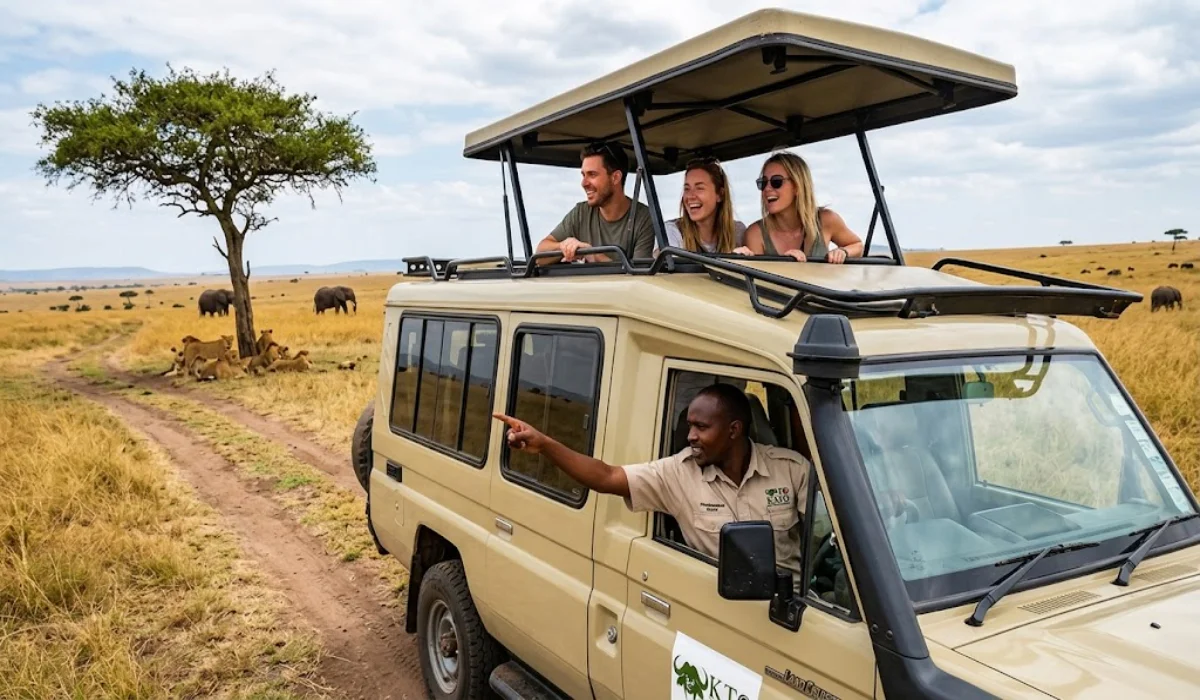
Selecting a reputable Kenya safari tour operator requires vetting three areas: official credentials, independent guest reviews, and operational transparency. A trustworthy operator provides clear answers that confirm their expertise and commitment to quality.
First, check for membership in professional organisations like the Kenya Association of Tour Operators (KATO). KATO binds its members to a strict code of conduct and high service standards, acting as a reliable indicator of professionalism.
Next, examine reviews on independent platforms to assess consistent service quality and reliability. Look for patterns in feedback regarding guide knowledge, vehicle condition, and problem resolution across multiple travel seasons.
Finally, ask direct questions about their guide training programmes, vehicle age, maintenance schedules, and their policies on responsible tourism. An operator's ability to provide detailed information on these operational points demonstrates a transparent and well-managed business.
[Contact us to plan your reputable safari]
What Are the Most Secure Payment Methods for a Kenya Safari?
The most secure payment methods for booking a Kenya safari from the UK are credit cards and bank transfers made via an operator's official, encrypted payment portal. Using a UK credit card is recommended because it provides consumer protection under Section 75 of the Consumer Credit Act for purchases over £100. Card payments may also offer chargeback rights if services are not provided as agreed.
For bank transfers, you must use a secure online portal with 'https' in the URL that the tour operator provides. A professional portal processes payments in GBP, which helps you avoid unexpected foreign transaction fees from your bank. Local mobile money services like M-Pesa are designed for small, on-the-ground transactions within Kenya and are not recommended for large international booking payments, as they lack the consumer protection available with UK credit cards.
[Securely book your Kenya safari today]
Visa and Vaccination Requirements for UK Citizens
All UK citizens must obtain an Electronic Travel Authorisation (eTA) online before departing for Kenya. On the health front, a consultation with a UK-based GP or travel clinic is necessary for personalised advice on vaccinations and malaria prevention. Common recommendations include vaccinations for Tetanus, Hepatitis A, and Typhoid, plus a course of anti-malarial tablets. These health and administrative tasks should be completed well ahead of your travel dates.
How to Apply for Kenya's eTA as a British Citizen
Kenya requires British citizens to secure an Electronic Travel Authorisation (eTA) before arrival. The application is managed entirely online through the official Government of Kenya portal. You should apply at least one month before your travel date to ensure sufficient processing time. Completing the application requires a valid passport with at least six months of validity, a digital passport-style photo, your travel itinerary, and a credit or debit card for the fee.
Mandatory and Recommended Vaccinations for Kenya
A Yellow Fever vaccination certificate is not required for entry from the UK, but the vaccination is strongly recommended. Other recommended vaccinations for Kenya include Tetanus, Hepatitis A, and Typhoid. You must also discuss malaria prevention with a medical professional, as anti-malarial medication is advised for most safari areas. UK travellers should consult their GP or a travel clinic at least eight weeks before departure for the most current advice. The NHS Fit for Travel website provides up-to-date health information for Kenya.
Why is Specialist Medical Evacuation Insurance Needed for a Kenya Safari?
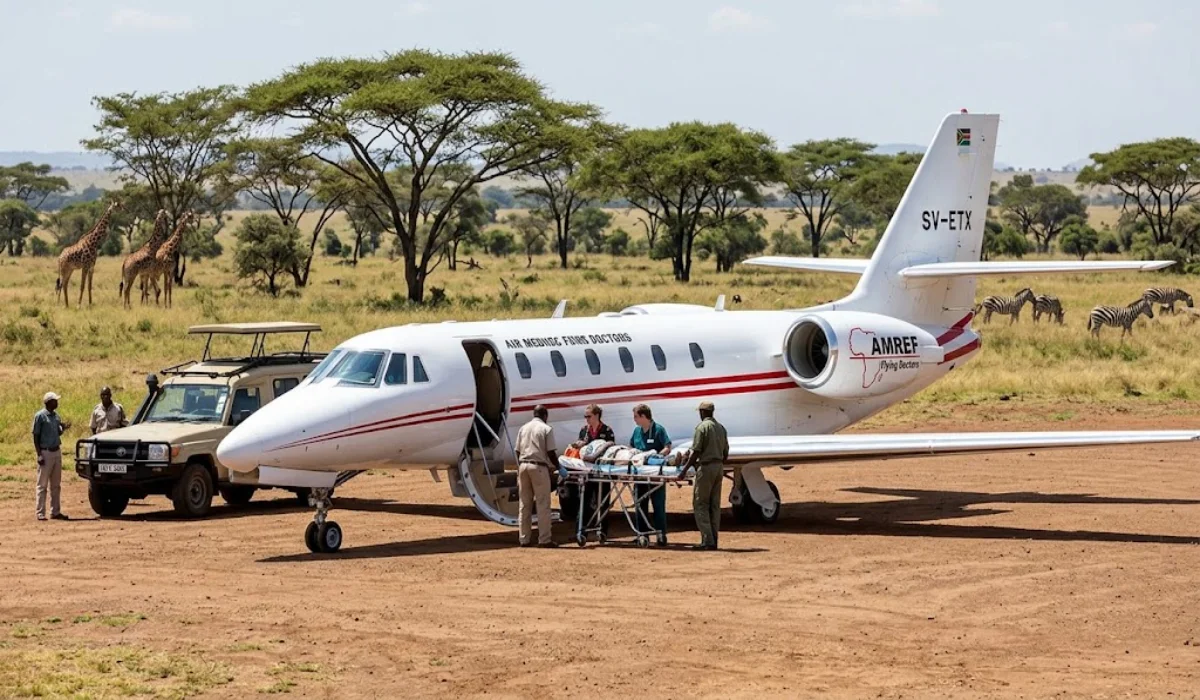
Standard travel insurance is insufficient for a Kenya safari due to the remote location of most camps and lodges. In a medical emergency, a helicopter airlift is often the only way to reach a hospital, so your policy must explicitly name coverage for emergency medical evacuation. You must check for this specific clause in the policy wording before you buy.
AMREF Flying Doctors is the leading provider of this service in East Africa. Many tour operators will ask for proof of this specific cover before they confirm your booking. Your UK-bought policy should also include high levels of coverage for cancellation, trip curtailment, and loss of baggage to protect your holiday investment.
Do UK Travellers Need Electrical Adapters for Kenya?

UK travellers do not need a travel adapter for Kenya. Kenya’s electrical system uses the Type G socket, which is the standard 3-pin rectangular plug used across the United Kingdom. All UK electronic devices, including phone and camera battery chargers, plug directly into the wall sockets at Kenyan hotels and safari lodges. The standard voltage is 240V, which is also compatible with all UK appliances.
How to Plan a Kenya Safari Itinerary from the UK
Planning a Kenya safari itinerary from the UK requires balancing your trip duration, the season of travel, and your specific interests. A 7 to 10-day safari provides enough time to visit two or three different parks without feeling rushed on a first trip.
The season affects wildlife viewing. Travel between July and October aligns with the Great Migration in the Masai Mara. Other seasons offer greener scenery and fewer visitors. Tailor your destinations to your interests; Amboseli is known for views of Mount Kilimanjaro, Samburu for its unique wildlife, and the Masai Mara for its high density of predators. A honeymoon itinerary could focus on lodges with private facilities, while a family holiday would require properties with child-friendly activities.
[Plan your ideal Kenya safari itinerary]
What to Pack for a Kenya Safari from the UK
Packing for a Kenya safari requires practical, lightweight layers to accommodate a range of temperatures from cool mornings to hot afternoons. You should pack neutral, earth-toned clothing like khaki, beige, or olive green. Avoid bright colours, and do not pack black or dark blue clothing, as those colours can attract tsetse flies.
An effective packing list for Kenya includes:
- Lightweight long-sleeved shirts and trousers for sun and insect protection.
- A warm fleece or jacket for cold evenings and early mornings.
- Comfortable, closed-toe walking shoes.
- A wide-brimmed hat, sunglasses, and high-SPF sun cream.
- A good pair of binoculars and a camera with spare batteries.
- Insect repellent containing DEET.
- A personal first-aid kit with any personal medications.
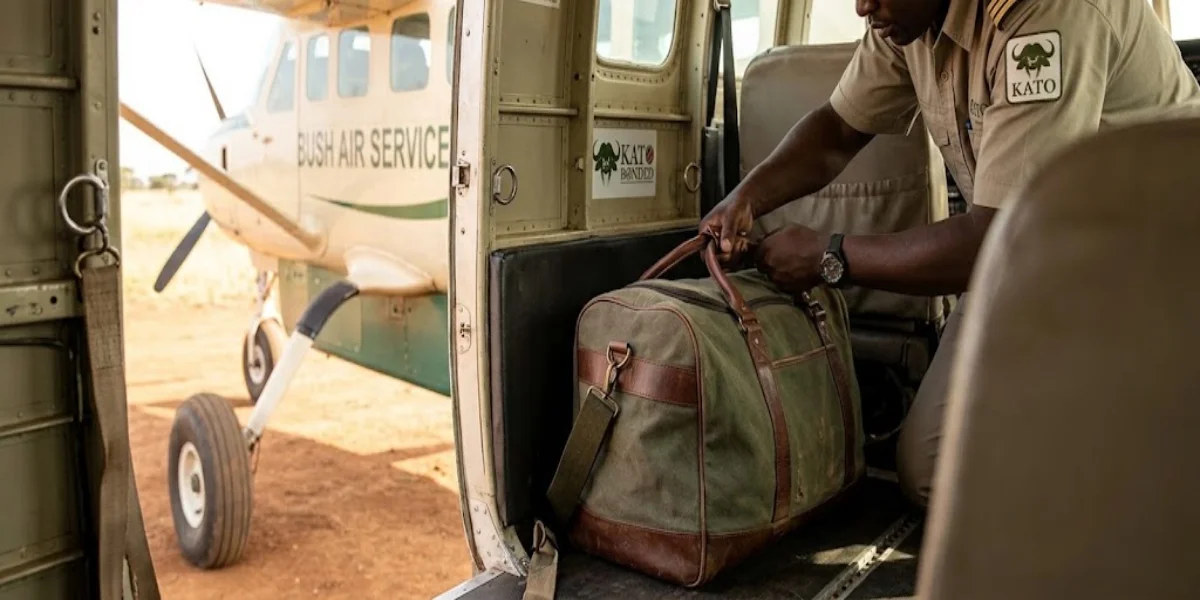
Internal flights on small bush planes have strict luggage limits, typically 15kg per person. These flights also require soft-sided bags or duffels, not hard-shell suitcases. You must check the specific luggage allowance with your tour operator before you start packing.
Kenya Safari Pre-Booking Quick Reference
| Item | Requirement for UK Citizens | Notes |
|---|---|---|
| Entry Permit | Electronic Travel Authorisation (eTA) | Apply online at least 1 month before travel. |
| Insurance | Medical Evacuation Cover (e.g., AMREF) | Must be explicitly named in your policy. |
| Electrical Plugs | Type G (UK 3-Pin) | No travel adapter needed. |
| Malaria | Anti-malarial medication advised | Consult a UK GP or travel clinic. |
| Internal Flights | Soft-sided bag, approx. 15kg limit | Confirm exact weight with your operator. |