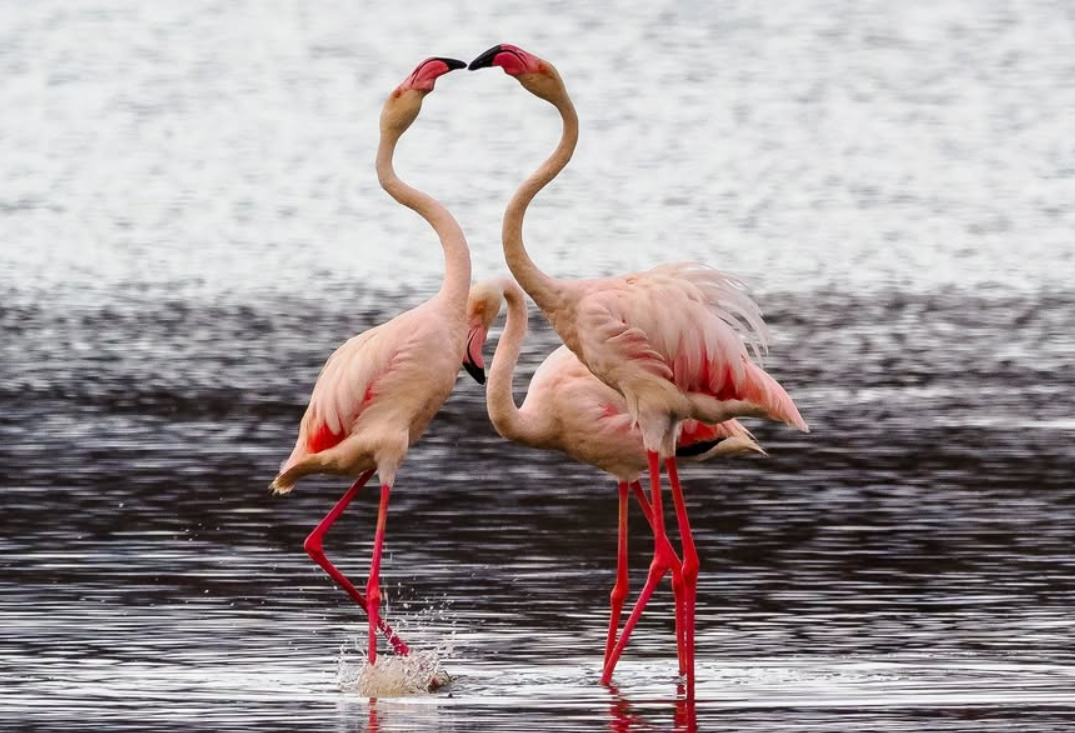
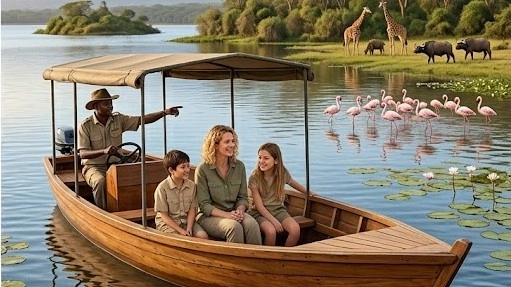
The park is renowned for its boat safaris across the freshwater lake, offering close encounters with submerged hippos, over 400 bird species including the African fish eagle, and access to the walkable Crescent Island Game Sanctuary.
Overview
Name
Lake Naivasha National Park
Type
Lake
Town
Naivasha
County
Nakuru
Country
Kenya
Key Facts & Administrative Data for Lake Naivasha National Park
Attribute Category
Specific Detail
Location Coordinates
Approximately 0.7833° S, 36.3667° E
Governance/Management
Kenya Wildlife Service (KWS)
Total Area
Approximately 139 square kilometres (lake surface area)
Entry Fees
Managed by KWS; fees are tiered for Citizens, Residents, and Non-Residents. Check the official KWS tariff for current rates.
Primary Attraction
Freshwater lake boat safaris, hippo viewing, birdwatching, and Crescent Island Game Sanctuary.
Best Time to Visit
During the dry seasons (June to October and January to February) for better wildlife viewing and pleasant weather.
Unlike the predator-heavy ecosystems of the Maasai Mara or Tsavo, the Lake Naivasha basin is defined by a high density of herbivores and semi-aquatic life. The absence of large predators (lions and cheetahs are rarely sighted on the immediate lakeshore) allows for a distinct ecological balance, permitting walking safaris that are impossible in other Class A parks. The ecosystem relies heavily on the health of the Vachellia xanthophloea (Yellow-barked Fever Tree) forests, which provide important canopy cover.
Birdwatching Paradise
Ornithologists regard Naivasha as a primary location for avian observation due to the convergence of freshwater habitats and acacia woodlands. The area supports over 400 recorded species. The primary draw is the concentration of piscivorous birds which exploit the shallow lake depths.
Prominent species include:
African Fish Eagle (Haliaeetus vocifer): The lake hosts one of the highest densities of this raptor in the Great Rift Valley, known for its distinct hunting calls.
Great White Pelican: Often observed in large rafts near Oserian Bay.
Kingfishers: Specifically the Malachite and Pied Kingfisher varieties frequenting the papyrus fringes.
Goliath Heron: The world's largest heron species, often found stalking the shoreline.
Mammal Species
The mammalian population around Lake Naivasha differs from the "Big Five" circuit. The focus here is on large grazers and aquatic mammals. The region acts as a corridor for wildlife moving between Hell's Gate National Park and the lake's freshwater resources.
Key mammalian entities include:
Hippopotamus (Hippopotamus amphibius): The lake supports a population exceeding 1,500 individuals. They remain submerged by day and graze the riparian vegetation at night.
Defassa Waterbuck: Distinct from the Common Waterbuck, these are frequently sighted near the Elsamere conservation area.
Rothschild’s Giraffe: Masai Giraffes are common in the south, but the sanctuaries around Naivasha often host introduced populations of the endangered Rothschild sub-species.
Black and White Colobus Monkey: arboreal primates residing in the Fever Tree canopy, particularly around the southern shore.
Fishing and Aquatic Life
The lake's ecology has been significantly altered by introduced species. Unlike the alkaline lakes of the Rift (Nakuru, Bogoria), Naivasha is freshwater. The aquatic food web is driven by:
Black Bass (Micropterus salmoides): Introduced for sport fishing.
Nile Tilapia: The primary commercial fish stock.
Louisiana Red Swamp Crayfish (Procambarus clarkii): An invasive species that serves as a primary food source for the Marabou Storks and river otters.
Activities and Things to Do at L. Naivasha National Park
Visitors to Lake Naivasha focus on low-impact exploration. The topography prohibits heavy off-road driving, shifting the experience toward boat-based and pedestrian activities. This provides an alternative for tourists seeking a break from the vehicle-confined game drives typical of the Serengeti ecosystem.
Boat Tours and Lake Exploration
Motorized pirogues and shallow-draft vessels are the standard mode of transport. Tours typically depart from shoreline jetties and last between one to three hours. The route prioritizes the "Hippo Pools" where pods congregate.
Key navigation points:
Papyrus Swamps: Dense vegetation zones critical for weaver bird nesting.
Submerged Forests: Areas where rising water levels have submerged acacia trees, creating roosting structures for cormorants.
Dead Tree Snags: Preferred perches for Fish Eagles.
Crescent Island Wildlife Sanctuary
Located on the eastern side of the lake, Crescent Island is a submerged volcanic rim. It functions as a peninsula during low water levels and an island during high water. It is a private sanctuary notable for lacking predators, allowing visitors to walk freely among wildlife.
Interactive experiences include:
Walking Safaris: Close-proximity encounters with Wildebeest, Zebra, and Gazelles without vehicle barriers.
Filming Locations: The site was utilised for the 1985 production Out of Africa, retaining a specific topographical aesthetic associated with the film.
Elsamere Conservation Centre
Formerly the retirement home of George and Joy Adamson (authors of Born Free), this site functions as both a museum and an education centre. It differs from standard lodges by focusing on conservation history rather than pure hospitality.
Museum Exhibits: Displays the Adamsons' paintings, manuscripts, and conservation tools.
High Tea: A traditional service offered in the gardens, renowned for Colobus monkey sightings.
Hiking and Nature Walks
The lake itself is flat, but the surrounding escarpments offer vertical trekking. This contrasts with the flat savannah plains found elsewhere in the Rift Valley.
Mount Longonot: A dormant stratovolcano located 20km southeast, offering crater rim hikes.
Hell's Gate Gorges: Hell's Gate Gorges is technically a separate park. The Ol Njorowa Gorge is geologically linked and accessible from the south lake road.
Photography Opportunities
The visual environment of Naivasha is distinct due to the "Golden Hour" lighting reflected off the water and the vertical composition provided by the rift escarpments. Photographers prioritise this location for specific behavioral shots.
Action Shots: African Fish Eagles swooping for prey (often baited by boat captains, though this is a controversial practice).
Macro Photography: Insects and amphibians within the papyrus margins.
Landscape: The contrast of dead acacia skeletons against the blue water and green escarpment.
Lake Naivasha Park Fees and Costs
Understanding the entry fees for Lake Naivasha's conservation areas, primarily managed by the Kenya Wildlife Service (KWS), is important for planning your budget. The fee structure is designed to support conservation efforts and is tiered based on residency status. KWS operates a 100% cashless payment system; payments are via M-Pesa or credit/debit card at the gate.
The pricing logic is as follows:
Non-Residents: International visitors, with fees typically quoted in USD.
East African Residents: Expatriates with official resident status in Kenya, Uganda, Tanzania, Rwanda, Burundi, or South Sudan. Proof of residency is required. Fees are in KES.
Kenyan Citizens: Nationals of Kenya. Proof of citizenship (ID or Passport) is required. Fees are in KES.
Specific tariffs are updated annually by KWS. The table below illustrates the typical structure for a 24-hour park entry pass. For the most current rates, always consult the official KWS tariff sheet before your visit.
Residency Status
Visitor Type
Park Entry Fee
Non-Resident
Adult
~$20 - $30 USD
Non-Resident
Child/Student
~$15 - $20 USD
EA Resident
Adult
~1,000 KES
EA Resident
Child/Student
~500 KES
Kenyan Citizen
Adult
~800 KES
Kenyan Citizen
Child/Student
~250 KES
Other Costs to Consider
Vehicle Entry Fees: A separate fee is charged for vehicles entering the park, depending on the size (e.g., less than 6 seats, 6-12 seats).
Activity Fees: Activities such as boat safaris, guided walks on Crescent Island, or visits to Hell's Gate National Park (adjacent) have their own separate charges.
Guides: Hiring a local guide or naturalist is an additional but highly recommended cost for a richer experience.
Getting to Lake Naivasha from Nairobi
Lake Naivasha's accessibility from Nairobi makes it a convenient destination for both short breaks and extended holidays. The journey itself provides a clear view of the Great Rift Valley.
By Road (Self-Drive or Private Hire)
Route: The primary route is via the A104 Highway (Nairobi-Nakuru Road).
Distance: Approximately 100 kilometres (about 62 miles) from Nairobi's city centre.
Time: The drive typically takes 2 to 3 hours, heavily dependent on traffic when exiting Nairobi.
The Journey: The drive is scenic, particularly after ascending the escarpment where you'll find the Great Rift Valley Viewpoint – a popular stop for photos. The road is tarmacked and generally in good condition. You can use a standard saloon car, though a 4x4 offers more comfort and flexibility for exploring off-tarmac tracks around the lake.
By Rail (SGR - Madaraka Express)
For a modern and comfortable journey, the Standard Gauge Railway offers a service that connects Nairobi with the Naivasha region.
Route: Take the Madaraka Express train from the Nairobi Terminus to the Naivasha SGR Station.
Logistics: The Naivasha SGR station is located a considerable distance from the lake itself. You will need to pre-arrange a taxi or transfer with your lodge to cover the final 30-45 minute drive to the lake shore.
By Air (Chartered or Scheduled Flights)
This is the fastest, albeit most expensive, option, ideal for those on a tight schedule or connecting from a Maasai Mara safari.
Route: Scheduled light aircraft services, such as those operated by Safarilink, fly from Wilson Airport (NBO) in Nairobi to the Loldia Airstrip in Naivasha.
Time: The flight is a short hop of around 30 minutes.
Best For: Luxury travellers and those on multi-destination itineraries looking to make the most of their time on the ground.
Accommodation at Lake Naivasha National Park
Your choice of accommodation in Naivasha will influence your experience. The primary choice is between staying on the immediate lake shore, often within a private conservancy, or staying just outside in the wider Naivasha area.
Inside a Conservancy or on the Lake Shore
These properties provide a direct safari experience, placing you right in the heart of the action with wildlife often roaming the grounds.
Types: Luxury lodges, high-end tented camps, and historic colonial-era estates. Many are located along Moi South Lake Road or within private wildlife sanctuaries.
The Experience: Expect clear, uninterrupted views of the lake, resident wildlife like giraffes, zebras, and waterbuck grazing on the lawns, and a strong sense of tranquillity. It is ideal for those seeking a romantic getaway or a classic, well-regarded safari experience.
Pros: Close proximity to nature, good service, security, and immediate access to activities like boat safaris.
Outside the Main Gates (Naivasha Town & Surrounds)
This category offers greater flexibility, a wider range of price points, and easier access to town amenities and other regional attractions.
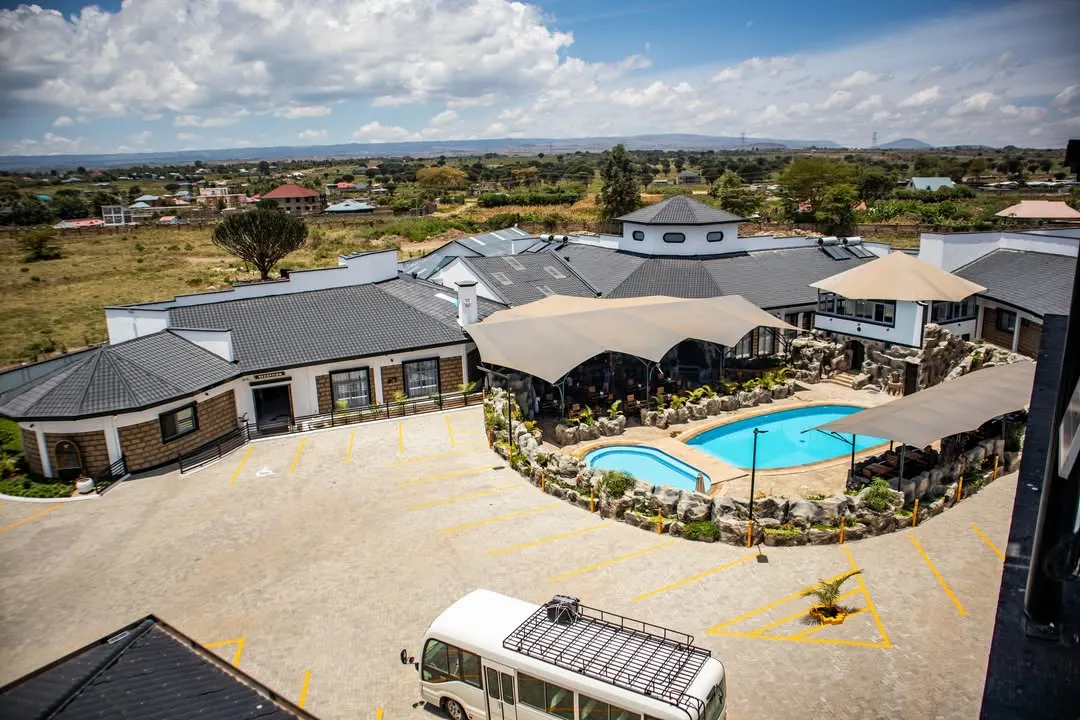
Types: Large resort-style hotels with extensive facilities, charming guesthouses, budget-friendly campsites, and self-catering cottages.
The Experience: These options provide a comfortable and convenient base for exploring, even if wildlife is not on your doorstep. They are perfect for families, budget travellers, and those who want to explore beyond the lake, including Hell's Gate or Mount Longonot.
Pros: More affordable, greater variety of dining and accommodation styles, and a good base for a more varied itinerary.
For optimal weather at Lake Naivasha National Park in 2026, the long dry season from June to September offers consistently clear, mild days ideal for boating, walking safaris, and photography, with cooler nights. January and February also provide excellent dry conditions before the long rains.