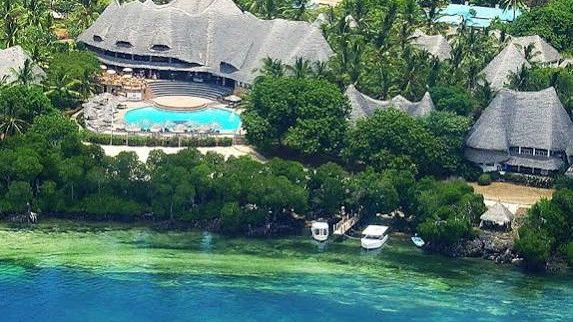
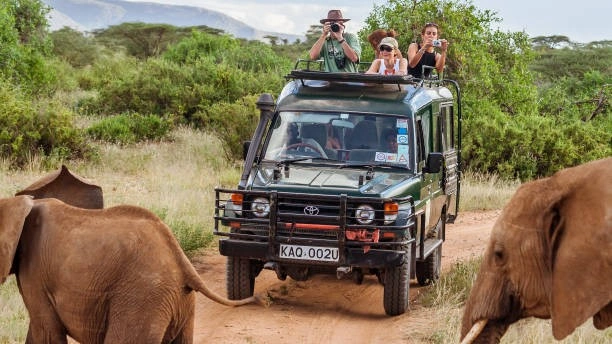
Nairobi National Park is a national park in Nairobi, Nairobi County, Kenya. The park is known for classic African safari game drives featuring black rhinos, lions, and giraffes against a backdrop of the city's skyscrapers.
Often referred to as 'The World's Only Wildlife Capital', the park is situated approximately 7 kilometres (4 miles) south of the Nairobi city centre.
Overview
Name
Nairobi National Park
Type
National Park
Town
Nairobi
County
Nairobi
Country
Kenya
Facts About Nairobi National Park
Attribute Category
Specific Detail
Location Coordinates
1°22′24″S 36°51′32″E
Governance/Management
Kenya Wildlife Service (KWS)
Total Area
117.21 square kilometres (45.26 sq mi)
Entry Fees
Tiered system for Citizens, Residents, and Non-Residents. Check the official KWS website for current rates.
Primary Attraction
Viewing free-roaming wildlife, including endangered black rhinos, against the backdrop of the Nairobi city skyline.
Best Time to Visit
The long dry season from June to October and the short dry season from January to February.
Nairobi National Park serves as a dry-season refuge within the Athi-Kapiti ecosystem. Unlike the expansive Tsavo or the Maasai Mara, this park is an enclosed yet permeable ecosystem, influenced by the seasonal migration corridor to the south. The park serves as a genetic reservoir, particularly for rhinos, unlike the open-system dynamics of other Kenyan reserves.
The ecological composition is distinct due to the absence of the African Elephant (Loxodonta africana). This omission is strategic. The limited park area (117 km²) cannot sustain the destructive feeding habits of elephants without decimating the riverine forests and Acacia woodlands. Consequently, the vegetation remains denser than elephant-populated parks, supporting a higher concentration of browsers.
Iconic Species at Nairobi Park: Rhinos, Lions, Giraffes
The park is globally recognised as "Kifaru Ark" because of its success in sanctuary management for the Rhinocerotidae family. It maintains one of the highest densities of Black Rhinos in Kenya.
Eastern Black Rhinoceros (Diceros bicornis michaeli): They are predominantly browsers, found in the thickets of the forest sections. NNP serves as a breeding stock source for restocking other parks like Meru and Tsavo West.
Southern White Rhinoceros (Ceratotherium simum simum): They are grazers, typically sighted on the open plains near the backdrop of the Nairobi CBD skyline.
Panthera leo (Lion): The lion population here is habituated to vehicles but faces pressures from urban encroachment. The prides are closely monitored by the Kenya Wildlife Service (KWS) to manage human-wildlife conflict along the unfenced southern boundary.
Maasai Giraffe (Giraffa camelopardalis tippelskirchi): Distinct from the Reticulated Giraffe found in Samburu, these are identified by their jagged, star-like spots. They frequent the acacia-rich valleys.
Predator Hierarchy: Apart from lions, the park hosts Leopards (Panthera pardus) in the riverine forests, Cheetahs (Acinonyx jubatus) on the Athi plains, and Spotted Hyenas (Crocuta crocuta).
Birdwatching and Avian Diversity
With over 500 recorded species, NNP holds the status of an Important Bird Area (IBA). The avian population fluctuates significantly with the seasons, swelling during November and April when Palaearctic migrants arrive from Europe.
The diversity is stratified by habitat:
Grassland Species: Secretary Bird (Sagittarius serpentarius), Kori Bustard, and the endangered Madagascar Pond Heron.
Riverine Species: African Finfoot and the Giant Kingfisher inhabit the Mbagathi River zones.
Raptors: Martial Eagles and African Crowned Eagles are apex avian predators.
Unique Attributes: Unlike Lake Nakuru, which is defined by flamingo concentrations, NNP offers a broader cross-section of raptors and savannah specialists within a compact radius.
Vegetation Zones and Habitats
The park exhibits a clear botanical gradient from west to east, determined by soil depth and rainfall levels.
Dry Highland Forest (West): Characterised by Croton megalocarpus and Olea europaea (African Olive). This sector retains moisture and provides cover for leopards and black rhinos.
Riverine Forest: Following the Mbagathi River, this zone features Acacia xanthophloea (Yellow Fever Tree) and Phoenix palms.
Savannah Grasslands (South/East): Dominated by Themeda triandra (Red oat grass) and scattered Acacia drepanolobium (Whistling Thorn). This mirrors the Serengeti plains and supports the bulk of the ungulate population including Coke’s Hartebeest and Blue Wildebeest.
Activities and Things to Do at Nairobi N.P.
Visitors require a strategic approach to Nairobi National Park due to its dual identity as a wilderness area and an urban-adjacent reserve. Activities are strictly regulated to maintain the ecological integrity of the corridor.
Game Drives and Guided Tours
Game drives use a network of tarmac and all-weather murram roads. The "Circuit" varies based on seasonal animal movements.
Morning Circuits: Morning circuits are recommended for tracking lions and active black rhinos. The Narogoman Dam area attracts herds of Buffalo and Eland early in the day.
Afternoon Circuits: Afternoon circuits are ideal for spotting basking crocodiles at the Hippo Pool and observing giraffe browsing behaviour.
Comparison to Competitors: Unlike the Maasai Mara where off-road driving is occasionally permitted in conservancies, NNP enforces strict on-road policies to protect the fragile soil structure and high-density vegetation.
Walking Safaris and Nature Trails
Walking is prohibited in the main reserve due to predator density. Specific designated zones, however, offer on-foot experiences rarely available in other Big Five parks.
Hippo Pool Nature Trail: This is a short, KWS-ranger patrolled trail along the Athi River. It allows visitors to exit vehicles and view Hippopotamus (Hippopotamus amphibius) and Nile Crocodiles from a close vantage point.
Nairobi Safari Walk: Located at the main gate, this is a raised boardwalk facility. It functions as an educational centre rather than a wild safari, housing animals that cannot be released into the wild (orphaned or injured).
Picnic Sites and Viewpoints
The park features several designated picnic sites that double as viewpoints. These areas are unfenced, requiring vigilance regarding Vervet Monkeys and Baboons.
Impala Observation Point: It is situated on high ground, offering panoramic views of the plains and a prime location for sunset observation.
Ivory Burning Site Monument: This location holds immense historical significance. Here, 12 tonnes of ivory were burnt in 1989 by President Moi, and 105 tonnes in 2016 by President Kenyatta. It stands as a global symbol of Kenya's zero-tolerance policy on poaching, a unique marker for this park.
King Fisher Picnic Site: It is located in a shaded area frequented by diverse bird species, ideal for ornithologists.
Mokoyeti Picnic Site: It is situated near the cliffs, often used for corporate events and bush lunches.
Park Entry Fees & Associated Costs when Visiting the Park
Entry fees for Nairobi National Park are straightforward. The pricing is structured by visitor status and age, with all payments now processed exclusively online via the government's e-Citizen portal. Make payment before arrival to ensure smooth entry. Park tickets are typically valid for a single 24-hour period.
Park Entry Fees (Per Person, Per 24 Hours)
Please note: These prices are subject to change. Always verify on the official Kenya Wildlife Service (KWS) website before your visit.
Category
Kenyan Citizen / East African Resident
Foreign Resident (with valid work permit)
Non-Resident (Tourist)
Adult
KSh 430
KSh 1,030
$60 USD
Child / Student*
KSh 215
KSh 515
$35 USD
*Child rates apply to persons aged 3 to 17. Proof of residency or citizenship (National ID/Passport) is required to qualify for resident/citizen rates.
Vehicle Entry Fees (Per Vehicle, Per Day)
Vehicle with less than 6 seats: KSh 300
Vehicle with 6 to 12 seats: KSh 1,030
Vehicle with 13 to 24 seats: KSh 2,585
Important Payment Information
Online Payment Only: Cash is not accepted at the park gates. Pre-payment via the e-Citizen platform is required.
Safari Card: KWS offers a pre-loaded Safari Card for frequent visitors. This card can be topped up and used for payment.
Guide Fees: Hiring a certified KWS guide is an additional cost. It is recommended for wildlife spotting. This is typically arranged with your tour operator or at the gate.
How to Get to Nairobi National Park from Nairobi
Nairobi National Park's proximity to a major capital city is its most remarkable feature. Located just 7 kilometres (4 miles) from Nairobi's central business district, it is highly accessible. City traffic can, however, significantly impact travel time.
By Road (Private Car, Taxi, or Ride-Hailing)
This is the most common and convenient way to reach the park. The main entrance is the KWS Headquarters Gate on Lang'ata Road.
Route: From the city centre, take Uhuru Highway, which becomes Lang'ata Road. The park entrance is well-signposted on your left, shortly after the Wilson Airport turn-off. The journey is straightforward, following the A104 and then local roads.
Travel Time: A 25-45 minute drive from the city centre is expected in light traffic. During peak hours, this can extend to over 90 minutes.
Ride-Hailing: Services like Uber and Bolt are widely available in Nairobi and can take you directly to the park gate. You can hire a driver for a half-day or full-day tour.
From Nairobi's Airports
Jomo Kenyatta International Airport (JKIA): The park lies directly between the city centre and JKIA. A taxi or pre-booked transfer can get you from the airport to the park's East Gate in as little as 15-20 minutes via the Southern Bypass highway, traffic permitting.
Wilson Airport (WIL): This airport, a hub for domestic safari airlines like Safarilink and AirKenya, is located directly opposite the park's main gate on Lang'ata Road. It is less than a 5-minute drive away.
By Public Transport (Matatu)
For the more adventurous traveller, you can use Nairobi's public matatus. Take Matatu number 125 or 126 from the city centre bus station. Inform the conductor you wish to alight at the "KWS Gate" or "Nairobi National Park Main Gate". From the drop-off point on Lang'ata Road, it's a short, secure walk of about 10-15 minutes to the entrance.
From the SGR Train Terminus
The Nairobi Terminus for the Standard Gauge Railway (SGR) is located near the eastern boundary of the park. A short 15-minute taxi ride is all that is needed to get from the station to a park entrance, making it a viable option for those arriving in Nairobi by train.
Accommodation and Where to Stay for Your Visit at Nairobi Park
Your choice of accommodation will significantly shape your safari experience. The primary decision is whether to stay inside the park for total immersion or outside for greater flexibility and access to city amenities.
1. Staying Inside the Park: The Immersive Experience
Staying within the park's boundaries offers an unparalleled wilderness experience and is the ultimate choice. This option allows you to experience the park's nocturnal sounds and positions you for early morning and late evening game drives when animals are most active.
Key Option: The Nairobi Tented Camp is the only accommodation located inside the park. It offers an authentic, eco-friendly bush experience with nine en-suite tents. This provides a sense of seclusion and a direct connection to nature without sacrificing comfort.
Best For: Wildlife enthusiasts, romantic getaways, and those seeking an exclusive 'in the wild' feeling just minutes from the city.
2. Staying Just Outside the Gates: Convenience with a View
A popular strategy is to stay in hotels and lodges that border the park, particularly in the affluent suburbs of Lang'ata and Karen. These establishments often offer stunning views into the park, blending urban luxury with a safari atmosphere.
Key Options:
Ole Sereni: It is known for its location on the Mombasa Road (A109 Highway). Its balconies and pool deck directly overlook the park, offering game viewing opportunities over a drink.
The Giraffe Manor: Known for its resident giraffes, this iconic hotel is in the Karen suburb, very close to the park, and is part of a wider conservation area.
Emara Ole Sereni: A newer, more modern luxury option adjacent to the original, it also provides park views.
Best For: Travellers wanting high-end hotel amenities, easy park access, and a 'best of both worlds' experience.
3. Staying in Greater Nairobi: Flexibility and Variety
For budget-conscious travellers or those wanting to explore more of what Nairobi has to offer, staying in the city's central business district (CBD), Westlands, or Kilimani is an excellent choice. You benefit from a vast range of accommodation options, from international hotel chains to boutique guesthouses and apartments.
Pros: Wide variety of dining, shopping, and nightlife options. Generally more affordable. Allows for easy planning of other city-based activities.
Cons: Requires a daily commute to and from the park, which means factoring in Nairobi's traffic.
Best For: Budget travellers, business travellers adding a day safari, and visitors who want a comprehensive Nairobi city experience.
Nairobi National Park boasts a pleasant climate with moderate temperatures year-round, typically averaging 18-23°C daily due to its elevation. The optimal time for visiting is during the two distinct dry seasons: January to February (warmer dry) and especially June to September (cooler dry).