



Cultural and Historical Safaris in Kenya combine wildlife viewing with experiences of local traditions, ancient sites, and colonial heritage. This travel style provides UK visitors with a deeper understanding of the country's past and its diverse communities. A bespoke itinerary connects the story of Kenya's people to the locations on your trip.
Defining a Cultural and Historical Safari in Kenya for UK Visitors
A cultural and historical safari adds context to a traditional wildlife holiday. Game drives in major parks remain part of the schedule, but planned activities explain the human story of Kenya. These activities include interactions with local communities, visits to archaeological sites, and stays in properties with historical importance.
This safari style suits UK travellers seeking more educational experiences. The itinerary focuses on the significance of locations, such as learning Maasai traditions in the Mara or tracing trade routes on the Swahili coast. The holiday becomes a participatory experience rather than a purely observational one.
Best Kenyan Destinations for Cultural and Historical Safaris
Kenya's history is recorded across its different regions, from the Great Rift Valley to its old coastal ports. A well-designed itinerary connects these regions to create a clear narrative during your trip. Each destination represents a different part of the Kenyan story.
Maasai and Other Community Cultural Experiences
The semi-nomadic Maasai are one of Kenya's most recognisable peoples, with a culture connected to the savannas of the Masai Mara National Reserve and lands surrounding Amboseli National Park. A cultural safari includes respectful and direct engagement with these communities. These visits are managed ethically to ensure tourism provides a direct community benefit, focusing on daily life, the role of elders, and the community's relationship with wildlife.
Historical Landmarks and Colonial Connections
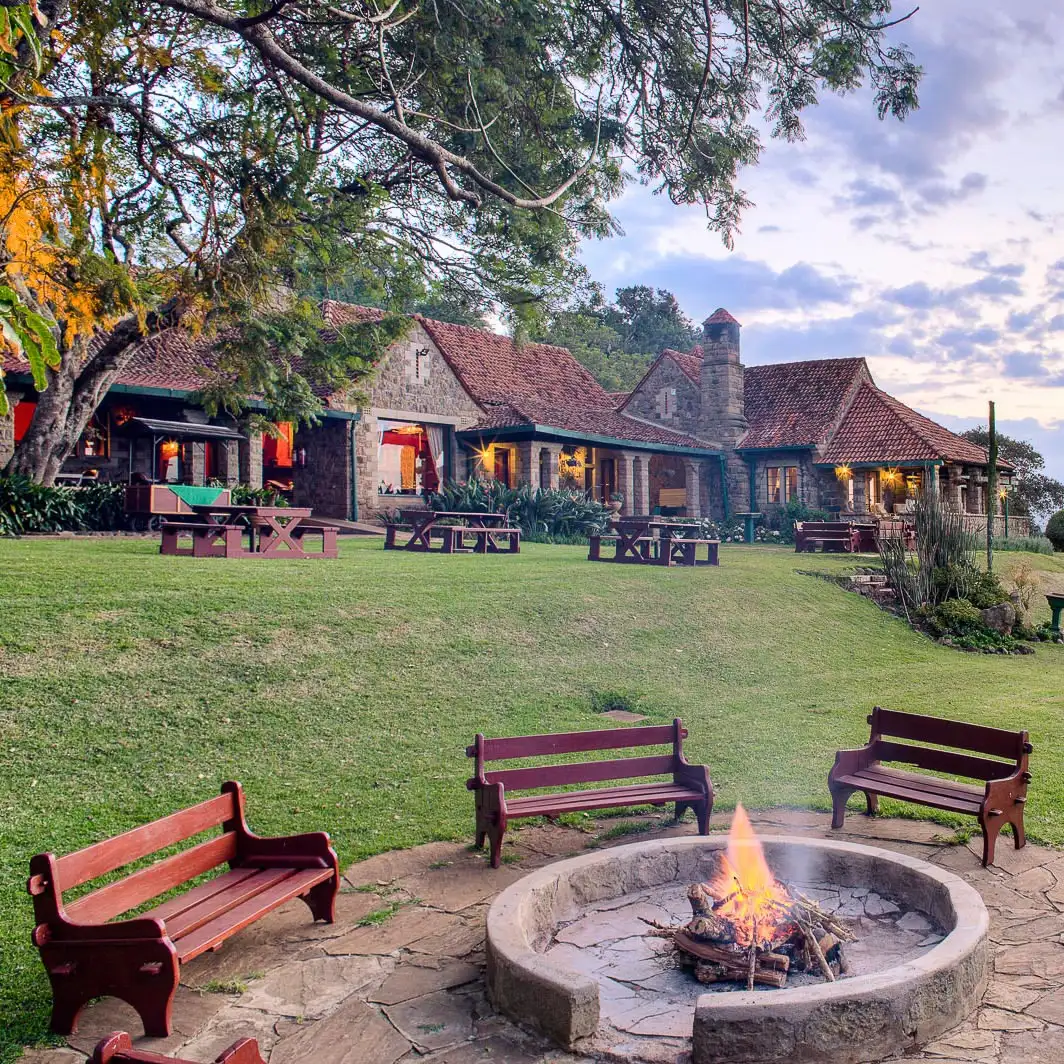
A historical safari can include sites that explain Kenya's complex colonial past, which is reflected in Nairobi's architecture and the central highlands' farmsteads. A stay at the Aberdare Country Club provides insight into the 'Happy Valley' era of early 20th-century British settlement. In Nairobi, the Karen Blixen Museum, former home of the author of 'Out of Africa', documents this period.
The Heritage of the Swahili Coast
The Kenyan coast was a centre of trade between Africa, Arabia, and Asia, which formed the Swahili civilisation. A coastal addition to your safari covers this history. In Mombasa, you can visit the 16th-century Fort Jesus, a UNESCO World Heritage site, and the narrow streets of the Old Town. The island of Lamu shows a traditional way of life with its stone houses, absence of cars, and active dhow-building trade.
Typical Itineraries for Cultural and Historical Safaris
A cultural and historical safari itinerary connects locations of importance and integrates wildlife viewing along the journey. Instead of simply moving between parks, the route follows a logical theme.
- Rift Valley & Maasai Culture: A classic 5 to 7-day route beginning in the Great Rift Valley, a site of major palaeontological finds, before moving to the Maasai Mara for wildlife and community visits.
- Highlands & History: This itinerary focuses on the central highlands, including the Aberdares and Laikipia. It covers colonial-era history alongside conservation work and wildlife sightings.
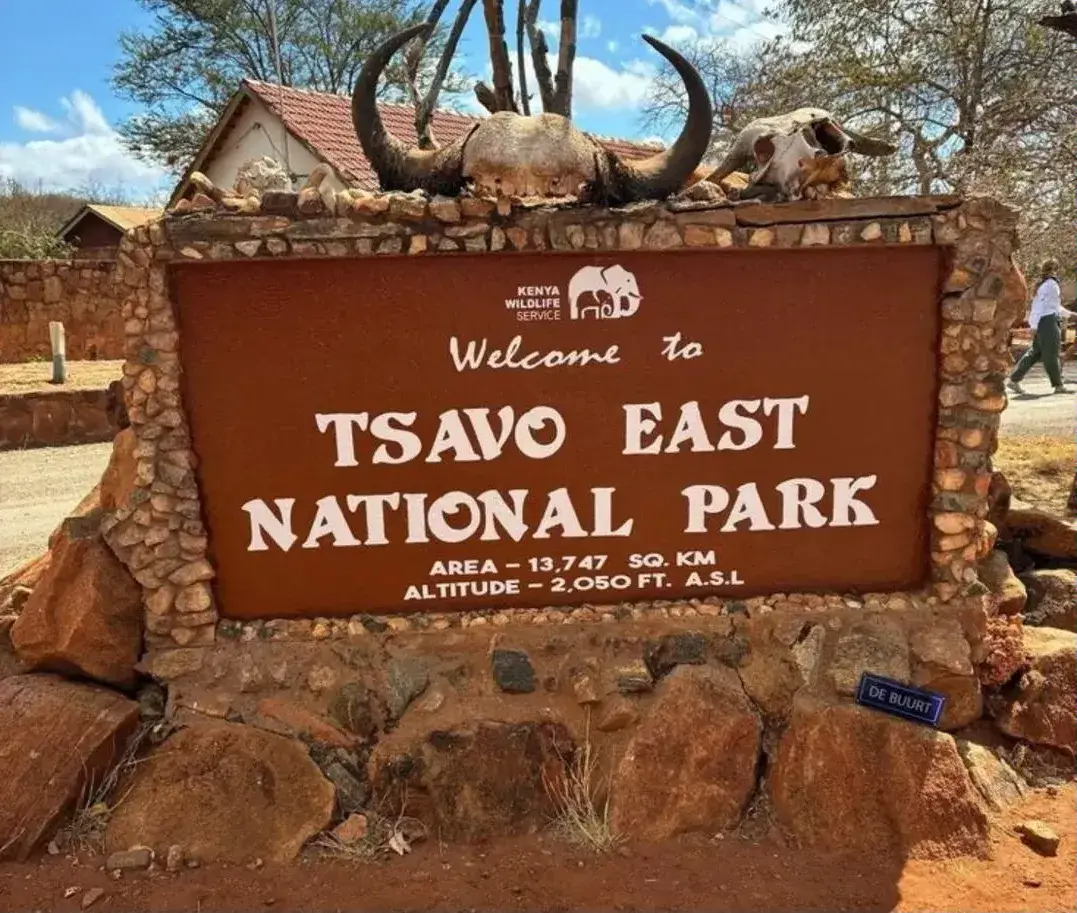
- Bush-to-Coast Heritage: A 10 to 14-day trip combining a safari in parks like Tsavo East National Park with the history of the Swahili Coast in Mombasa, Malindi, or Lamu.
Every itinerary is customised to match your specific interests. If your interest is early human origins, more time can be spent in the Rift Valley, whereas a focus on colonial history makes the highlands a central point.
Who Should Consider a Cultural and Historical Safari?
This safari style appeals to UK travellers who want to understand the country they are visiting on a deeper level. It is particularly well-suited for the following groups:
- Second-time visitors to Kenya who want to see a different side of the country.
- Families with older children seeking an educational holiday that brings subjects like history and geography to life.
- Honeymooners and couples who want a meaningful shared experience.
- Solo travellers from the UK with an interest in anthropology, history, or archaeology.
- History enthusiasts who travel to broaden their understanding of the world.
Best Time for a Cultural and Historical Safari
The timing of a cultural and historical safari can improve the experience, though Kenya is a year-round destination. The dry seasons (January to March and June to October) are generally best for travel. These periods offer better road conditions for reaching remote sites and make wildlife easier to spot.
UK school holidays, particularly the summer break (July-August), align with the Great Migration in the Maasai Mara. For detailed guidance on weather and wildlife events, see our guide to the best months for UK travellers to visit Kenya.
How Cultural and Historical Safaris Differ from Wildlife Tours
The main difference between safari types is the core objective and how time is allocated. A cultural and historical safari intentionally balances game drives with other activities.
| Aspect | Standard Wildlife Safari | Cultural & Historical Safari |
|---|---|---|
| Primary Focus | Maximising wildlife sightings, especially the 'Big Five'. | Understanding the human and historical context. |
| Pace | Often fast-paced, with early morning and late afternoon drives. | Varied pace, with time for village visits and site tours. |
| Guides | Expert in animal behaviour and tracking. | Expert in wildlife, plus deep knowledge of history and culture. |
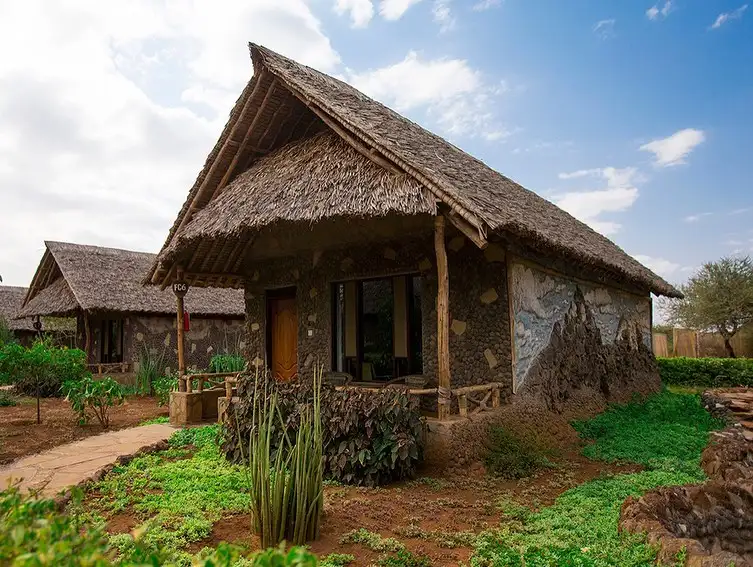
| Accommodation | Chosen for proximity to wildlife hotspots. | Chosen for historical significance or community links, like Aa Lodge Mara. |
What About Kenya's Ancient Human History?
A bespoke extension to the Lake Turkana region is available for UK travellers interested in the origins of humanity. This remote northern area, known as the 'Cradle of Mankind', contains Koobi Fora, a site with significant hominid fossil discoveries. Journeys here are expeditions and require specialist planning.
Visiting Lake Turkana offers a direct connection to the deep past, where the human story began. This option provides a perspective on history measured in millions of years.
How to Plan a Custom Cultural and Historical Safari
A successful cultural and historical safari is a personalised journey built around your interests in archaeology, colonial history, or contemporary Kenyan culture. The process begins with a conversation to shape an itinerary that is logical and meets your requirements.
UK Flight Routes and Entry Requirements
Travel from the UK is straightforward. Direct flights to Nairobi's Jomo Kenyatta International Airport (NBO) depart daily from London Heathrow (LHR). Flights from Gatwick (LGW) are also available, usually with one connection.
All UK citizens travelling to Kenya require an Electronic Travel Authorisation (eTA). The eTA must be applied for and approved online before departure via the official government website. Your passport must have at least six months of validity remaining from your date of entry.
Start Your Bespoke Kenya Heritage Itinerary
A journey into Kenya's culture and history provides a rewarding and personal travel experience. To begin designing an itinerary, share your ideas with our specialists. Outlining what aspects of Kenya's heritage most interest you helps us craft a trip tailored to your vision.
Use our custom safari planner to provide your initial brief. This information allows our team to construct a preliminary itinerary with the right locations, expert guides, and unique experiences for your trip.
Start planning now: Brief Our Kenya Safari Experts