
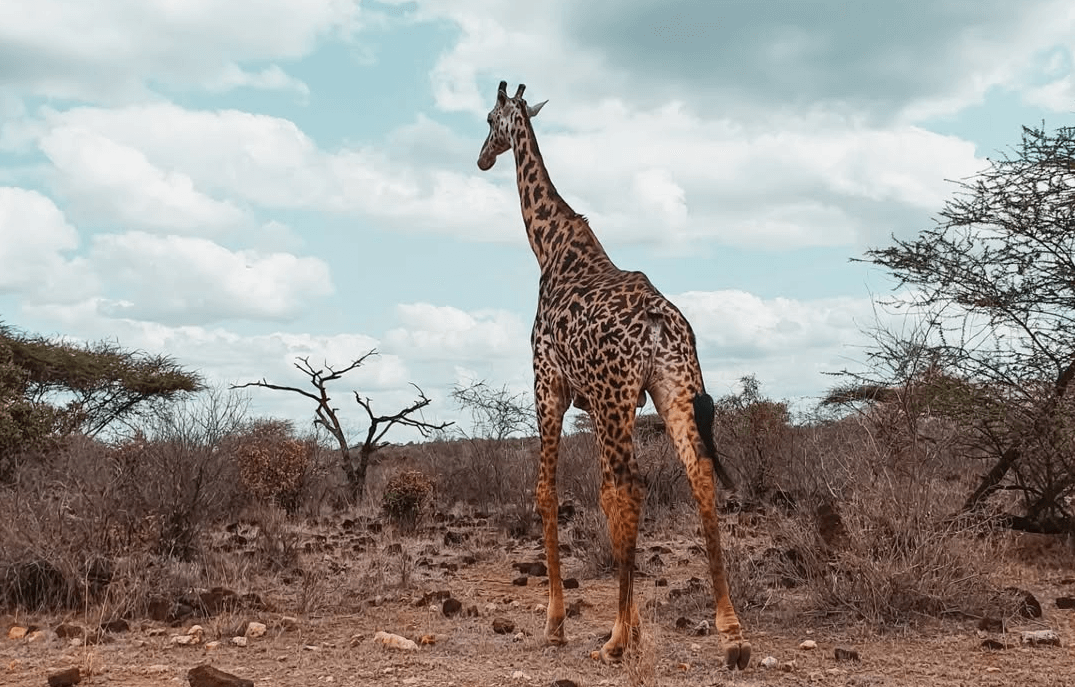
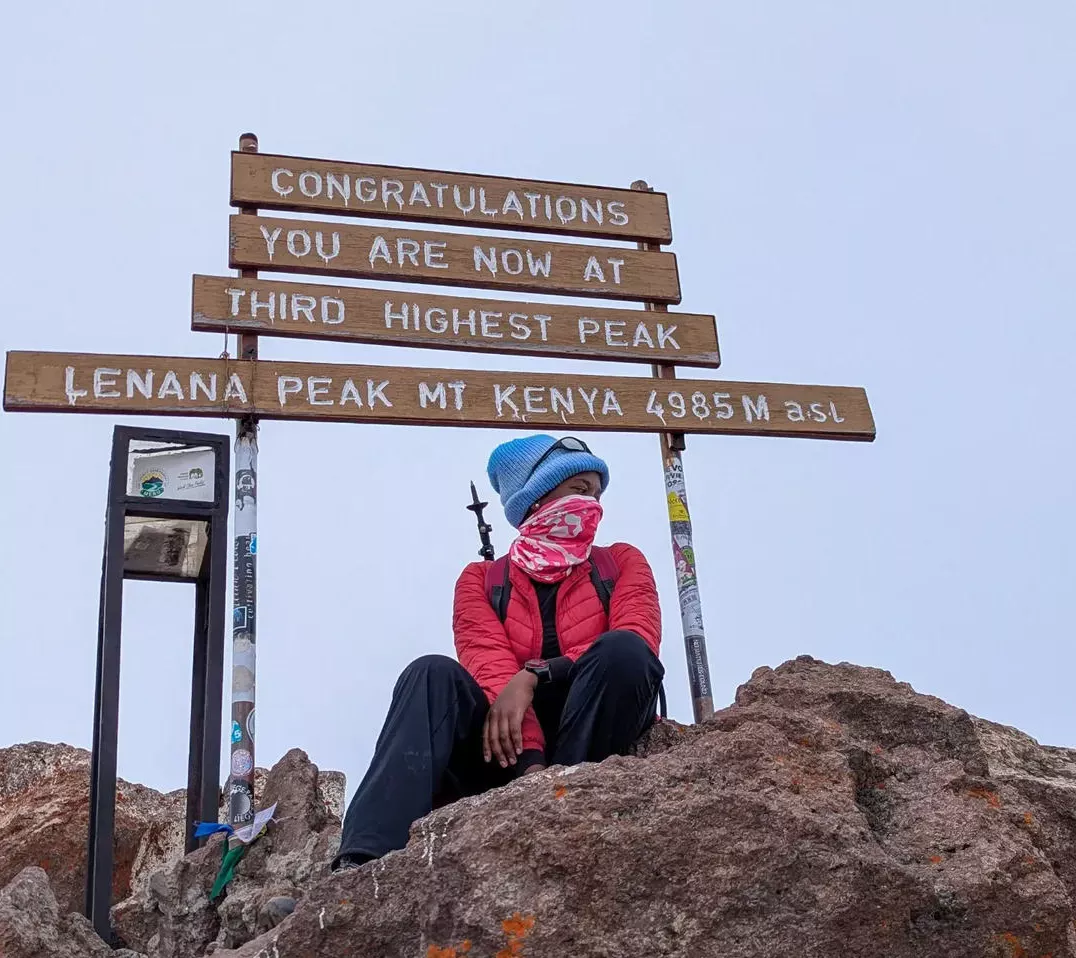
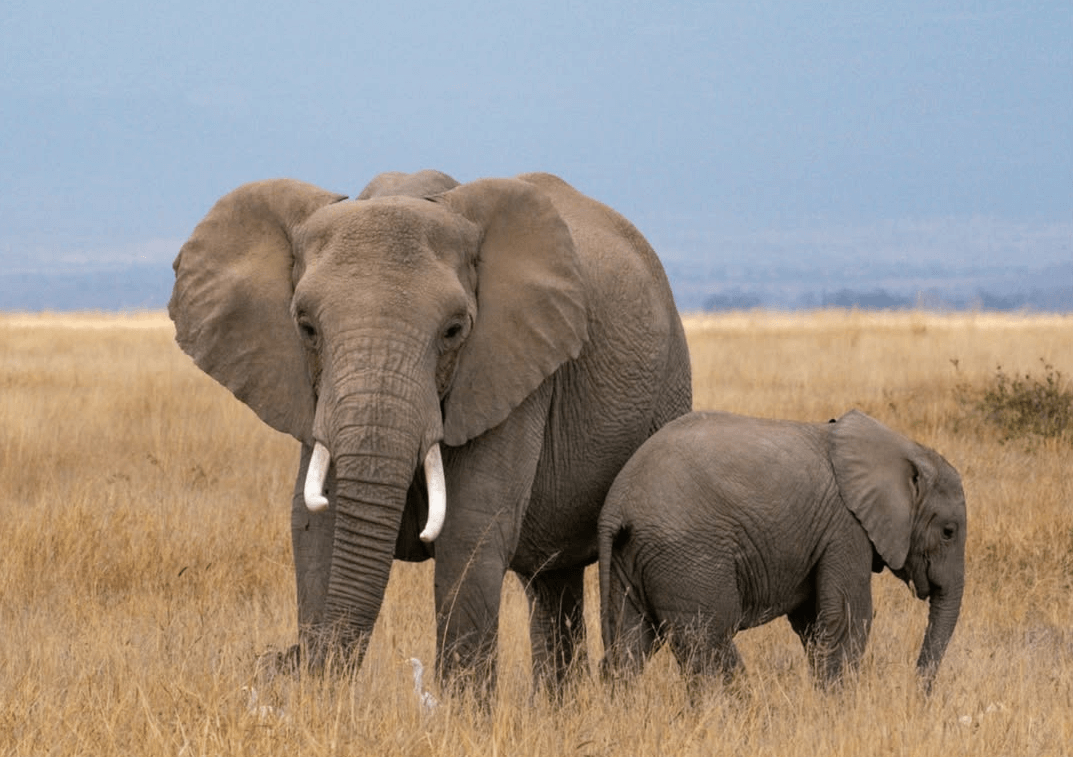
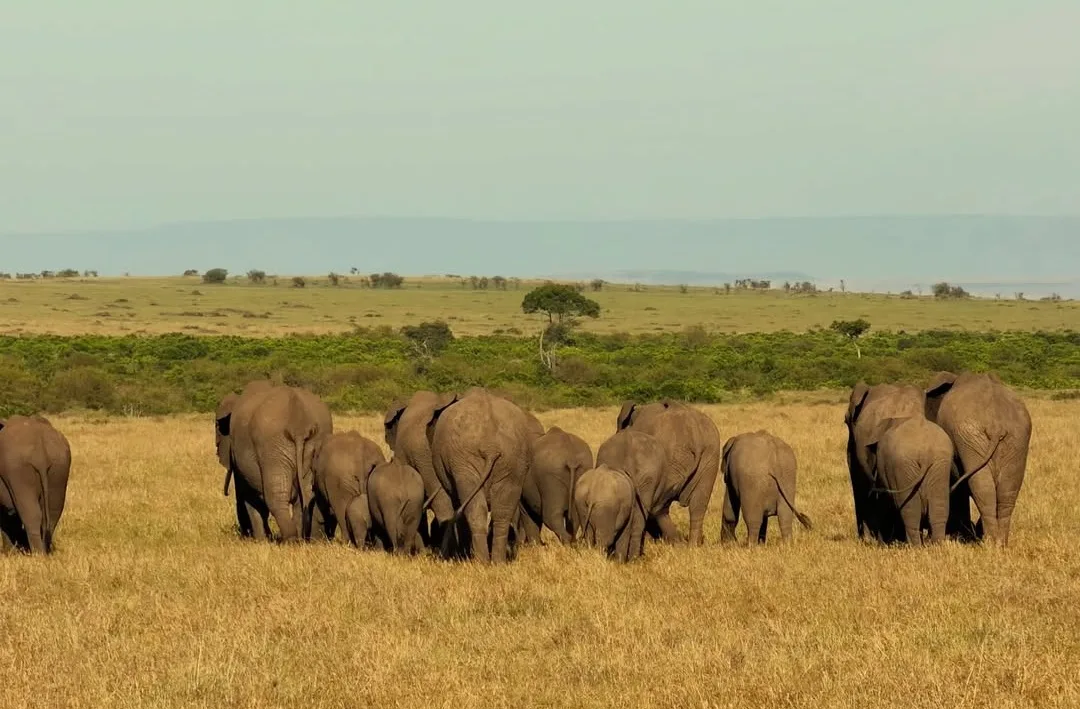


Cycling & Mountain Bike Safaris in Kenya offer active UK travellers an immersive way to experience the country's landscapes, wildlife, and local culture. This safari style focuses on areas like the Great Rift Valley, Hell's Gate National Park, and trails around Mount Kenya, with guided options for safety and navigation. A cycling safari moves beyond the traditional 4x4 vehicle, placing you directly within the environment for a ground-level, sensory experience.
This active travel option allows for unique itineraries that can incorporate challenging ascents, such as the 5-Day Sirimon to Chogoria Traverse on Mount Kenya. Itineraries can also combine biking with game drives, as featured in the 5-Day Rift Valley & Masai Mara Safari. For UK travellers, this holiday format is built around physical engagement, with routes available in conservancies bordering major parks like the Masai Mara National Reserve or near the backdrop of Amboseli.
Best cycling and mountain bike safari routes in Kenya
Kenya's varied topography provides a superb selection of routes for cyclists of all abilities. From the scenery of the Great Rift Valley to the forested foothills of Mount Kenya, each region offers a distinct experience. Routes are carefully chosen to maximise scenery and potential wildlife sightings while ensuring rider safety. The following table outlines some of the most prominent areas for a cycling safari.
| Region/Route | Terrain and Experience | Typical Difficulty |
|---|---|---|
| Hell's Gate National Park | Dusty tracks and gentle inclines through a gorge. Cycle alongside zebra, giraffe, and buffalo. | Easy to Moderate |
| Lake Naivasha Area | Mainly flat dirt roads and single tracks around the lake. Excellent for birding. | Easy |
| Mount Kenya Lower Slopes | Forested single tracks, challenging climbs, and fast descents on volcanic soil. Requires good bike handling skills. | Moderate to Hard |
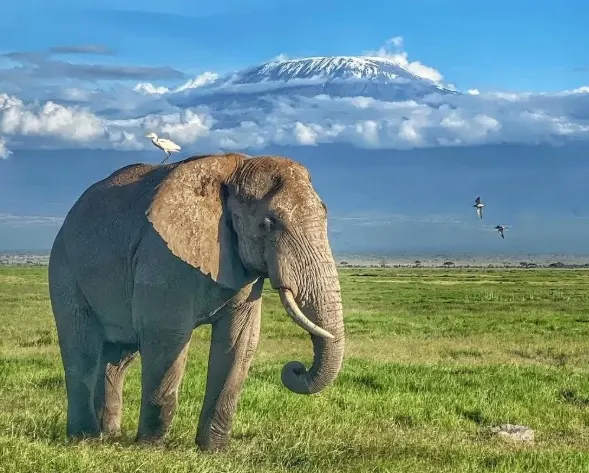
| Conservancies near Amboseli | Flat, open savannah with hard-packed earth. Offers clear views of Kilimanjaro. | Easy to Moderate |
| Chyulu Hills | Rolling grassy hills on ancient volcanic rock. Remote, scenic riding between Amboseli and Tsavo. | Moderate |
Physical fitness required for a Kenya cycling safari
A reasonable level of fitness is necessary to enjoy a cycling safari, though the required level varies with the itinerary. For routes through areas like Hell's Gate or around Lake Naivasha, a general fitness level is sufficient. This equates to being able to cycle comfortably for two to three hours on varied terrain.
More demanding mountain bike trails, such as those on the slopes of Mount Kenya, require a higher degree of cardiovascular fitness and cycling-specific conditioning. Participants should be comfortable with sustained climbs and technical descents.
UK travellers should engage in regular cycling, including some hill work, in the months before their trip. A support vehicle is always present, which means you can opt out of a challenging section at any time. Our itineraries are tailored to your stated fitness level.
Equipment provided for mountain biking in Kenya
Our guided cycling safaris provide quality, well-maintained equipment suitable for the Kenyan terrain. The equipment includes hardtail or full-suspension mountain bikes from reputable brands, along with safety gear like helmets and gloves. For personal comfort and performance, we recommend UK travellers consider bringing a few key items.
- Appropriate Footwear: Sturdy trainers or cycling-specific shoes that are comfortable for all-day wear.
- Cycling Clothing: Padded cycling shorts improve comfort. Lightweight, moisture-wicking jerseys and a light windproof jacket are also practical.
- Hydration Pack: A personal hydration system is more convenient for drinking on the move than standard water bottles.
- Sun Protection: High-SPF sunscreen, sunglasses with UV protection, and a cap for breaks are non-negotiable.
- Personal First-Aid Kit: Guides carry comprehensive kits, but a small personal kit with plasters and personal medication is prudent.
How safety is managed on a Kenya cycling safari
Your safety is the primary consideration on any cycling safari, managed by an expert local guide. Guides are skilled riders and mechanics, trained in first aid, and have an intimate understanding of the terrain and wildlife behaviour. The guide's knowledge ensures you cycle in safe areas and that any animal encounters are managed calmly and professionally.
A dedicated support vehicle accompanies all our cycling trips. This vehicle carries your luggage, bike spares, medical supplies, and refreshments. The support vehicle also provides a welcome rest if you become tired or can transport the group through sections unsuitable for cycling, such as main roads.
Best time for a cycling and mountain bike safari in Kenya
The best time for a cycling safari coincides with Kenya's two dry seasons, which are January to February and June to October. During these months, the tracks are dry and hard-packed, providing ideal riding conditions. The weather is generally sunny, and lower vegetation makes spotting wildlife easier.
The long rains from March to May and the short rains in November can make many off-road tracks muddy and impassable. For UK travellers, the summer holiday period of July and August falls in the best season, though it is also peak tourism season. Planning a trip in June, September, or October offers a good balance of excellent weather and better availability. Our guide on the best months to visit Kenya provides more seasonal detail.
How cycling safaris differ from traditional vehicle safaris
A cycling safari offers a fundamentally different experience to a traditional game drive, with the most significant difference being the level of immersion. On a bike, you are an active participant in the landscape, not a passive observer. You can feel the change in terrain, hear bird calls without an engine's sound, and smell the local flora.
Wildlife encounters feel more personal, although they are always managed from a safe distance. A vehicle may allow you to cover more ground and see more big game animals in a shorter time. Cycling, however, provides access to smaller tracks and local villages inaccessible to 4x4s, offering a richer, ground-level perspective of Kenya.
The importance of expert guides and custom planning
The success of a mountain bike safari in Kenya depends on expert local knowledge. An experienced guide transforms a bike ride into a true safari, providing insights into animal tracks, bird species, and local culture. The guide's role is to ensure your safety, manage logistics, and select routes that match your group's fitness and interests.
Bespoke planning is valuable because a pre-packaged tour may not suit your specific fitness level or holiday goals. A custom trip allows you to decide the daily distances, the difficulty of the terrain, and the balance between cycling and other activities. Itineraries like the 6 Days Mount Kenya Climbing Tour or the Rift Valley & Masai Mara Safari show how experiences can be built around specific adventure goals.
How to plan your custom cycling safari from the UK
Arranging your active safari from the UK is a straightforward process. The first step is to outline your ideal trip, considering your fitness level, desired landscapes, and the number of days you wish to cycle. You can brief our team directly with our dedicated safari planning tool, which allows you to detail your preferences.
Logistical considerations for UK travellers include direct flights from London Heathrow (LHR) or Gatwick (LGW) to Nairobi's Jomo Kenyatta International Airport (NBO). All British citizens require an Electronic Travel Authorisation (eTA) to enter Kenya, which must be applied for online in advance. We handle all ground logistics, and all quotations are provided in GBP for clarity.
To begin creating your personalised adventure, please use our custom planning form: Plan Your Cycling & Mountain Bike Safari.
Is a cycling and mountain bike safari right for your Kenya adventure?
A cycling safari is an exceptional choice for UK travellers who seek an active, engaging, and immersive holiday. The format is well-suited to adventurous couples, families with active teenagers, and cyclists wanting to experience their sport in a new context.
This travel style prioritises experience and participation over the sheer volume of big game sightings. If your primary goal is to see the 'Big Five' in the shortest time with maximum comfort, a traditional vehicle-based safari might be more appropriate. A cycling safari is an unforgettable way to experience Kenya if you want to connect with the landscape on a physical and sensory level and earn your views through your own effort.