

Maasai Market & Village Tours provide a budget-friendly way for UK travellers to interact with Maasai culture. These experiences support local communities through the purchase of traditional crafts and direct contributions. A visit adds a cultural dimension to a wildlife safari, offering insight into the heritage and daily life of the Maasai people.
The primary value for many UK visitors is the positive economic impact their visit creates. This contribution transforms a holiday into a cultural exchange that directly benefits the community.
How Much Do Maasai Market and Village Tours Cost?
UK travellers can budget for Maasai cultural experiences with ease. A visit to a Maasai village has a fixed entry fee, which ranges from approximately £20 to £40 per person. The fee functions as a direct community contribution, funding school supplies, clean water projects, or healthcare.
At a Maasai market in Nairobi or near national parks, item costs vary. Small beadwork bracelets might cost a few pounds, while large necklaces or wooden carvings can range from £15 to £50. Prices are negotiable, as friendly haggling is a part of the cultural interaction. The process involves respectfully agreeing on a fair price for both the artisan and the buyer.
What Are the Ethics of Maasai Village Tourism?
Ethical Maasai tours are structured so that financial benefits flow directly to community members, not third-party operators. This model ensures your visit contributes to the local economy and cultural preservation. Responsible tourism is built on mutual respect between visitors and hosts.
Responsible engagement requires guests to recognise they are in someone's home. Always ask for permission before taking photographs of people. Purchasing handicrafts directly from the artisans ensures they receive fair value for their work. An ethical tour focuses on authentic education, allowing you to learn about daily life from the community's perspective and avoiding staged displays.
How to Integrate a Maasai Visit into a Kenya Safari Itinerary
Adding a Maasai cultural visit to a wildlife safari is logistically simple and adds depth to a Kenyan holiday. These experiences are typically woven into a broader itinerary, not booked as standalone trips. A village or market stop provides a cultural counterpoint to game drives.
Combining Culture with Wildlife Safaris
Many safari routes from Nairobi to the Masai Mara National Reserve pass through Maasai territory, making a stop convenient. A visit can also be a half-day activity from a lodge in areas like Amboseli National Park. This activity connects the wildlife on safari with the people who have coexisted with it for generations.
Planning Logistics for a Smooth Visit
UK travellers should arrange Maasai visits in advance through a trusted operator. Pre-booking ensures the village is a genuine community-run initiative and that logistics like transport are handled. An advance arrangement also guarantees quality and ethical standards are met. A typical visit lasts between one and three hours, fitting easily into a travel day without disrupting a safari schedule.
Where to Find Authentic Maasai Markets and Villages
Authentic Maasai cultural experiences are available in several key tourist regions. This access makes them easy to incorporate into most safari plans for UK visitors. The nature of the experience varies from urban markets to rural villages.
Nairobi's Rotating Maasai Markets
Nairobi's rotating Maasai Market is an excellent stop for travellers with a spare day in the city. The market moves to a different location each day of the week, such as the High Court parking lot on Saturdays. These markets offer a wide selection of handicrafts from artisans across the country, including beaded jewellery, leather goods, and textiles.
Village Visits Near the Maasai Mara and Amboseli
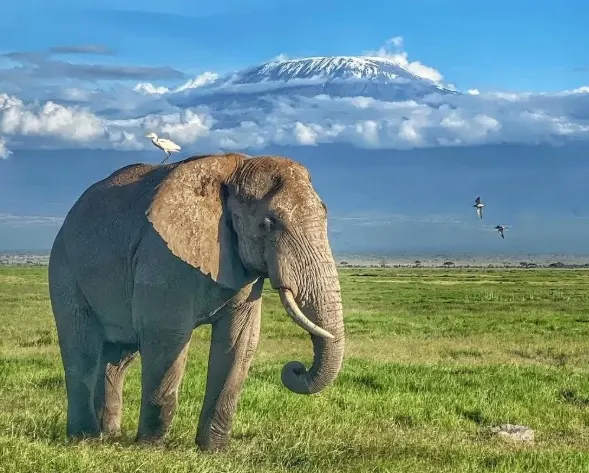
Visiting a village near a major national park provides a more immersive experience. Near the Masai Mara, you can visit a traditional homestead (a *boma*) to see how the community lives alongside wildlife. In Amboseli, village visits offer views of Maasai life against the backdrop of Mount Kilimanjaro. These rural visits provide a more personal interaction than city markets.
What Cultural Interactions and Crafts Can You Expect?
A visit to a Maasai community is an active experience, offering insights into traditions and artistic skills. Many items for sale are objects with deep cultural meaning, not just souvenirs. The following table summarises common crafts you will find.
| Maasai Craft | Description | Cultural Significance |
|---|---|---|
| Beadwork | Intricate jewellery, including necklaces, bracelets, and earrings, made with coloured beads. | Colours and patterns signify age, social status, and marital status. A key part of ceremonial attire. |
| Maasai Shuka | A red, often checked, cloth worn as a wrap by both men and women. | Practical attire for the bush; its red colour is traditionally thought to deter wild animals. |
| Wooden Carvings | Hand-carved sculptures of animals, people, and functional items like bowls and walking sticks. | Represents the wildlife of the savannah and is a traditional artistic expression. |
Beyond crafts, direct interactions form a core part of the visit. You can expect to learn about Maasai culture through demonstrations, conversations, and guided tours of their homes.
Engaging with Maasai Traditions
A traditional welcome song and dance, the *adumu* or "jumping dance," often greets visitors at a Maasai village. A community member typically guides you through the village, explaining the construction of the mud-and-dung huts (*Manyattas*). You may also see a demonstration of traditional fire-making and learn about the community's relationship with its cattle.
How to Ensure a Respectful Maasai Visit and Avoid Tourist Traps
A positive exchange requires approaching your visit with respect and awareness. The goal is genuine interaction, not a purely commercial transaction. A few guidelines help UK travellers navigate the experience correctly.
- Ask Before You Photograph: Always request permission before taking pictures of individuals.
- Dress Modestly: It is respectful to wear conservative clothing that covers your shoulders and knees. Refer to our safari clothing guide for suitable advice.
- Engage with Genuine Interest: Ask questions and show interest in the culture to create a real exchange.
- Purchase Thoughtfully: Buying a small item directly from an artisan is an excellent way to support them. Work with operators that facilitate pressure-free interactions.
When is the Best Time for a Maasai Village Tour?
Maasai village and market tours operate year-round because they are not dependent on weather. The dry seasons from June to October and January to February are generally more comfortable, with easier travel conditions. These periods align with peak safari seasons and popular UK school holidays. A typical village visit is a short excursion lasting between one and three hours, making it an easy addition to any itinerary.
How Do Maasai Tours Support Local Communities?
Well-managed Maasai cultural tours provide direct and sustainable support to the community. This support extends beyond buying a souvenir. The entry fees for village visits are often pooled into a community fund. This fund pays for essential projects like building classrooms, digging wells for clean water, or supporting local health clinics.
Choosing a tour that guarantees this direct funding model ensures UK travellers' spending has a positive and lasting impact. This approach empowers the Maasai to preserve their heritage while improving their quality of life on their own terms.
How to Plan a Custom Maasai and Safari Itinerary
Building a Maasai visit into a custom itinerary is the best way to ensure an authentic and ethical experience. A custom plan allows you to specify your interests and ensures the visit aligns with your travel style and budget. Kenya Safari Trails specialises in creating bespoke trips for UK travellers that balance wildlife viewing with meaningful cultural encounters.
To start designing your trip, mention your interest in a Maasai village or market visit when you brief our team. We handle all logistics to ensure a seamless and respectful experience. You can begin briefing your cultural and wildlife safari here: Plan Your Safari.
What are the Key Travel Requirements for UK Visitors to Kenya?
Direct flights to Nairobi's Jomo Kenyatta International Airport (NBO) are available from London Heathrow and Gatwick. The approximate flight time is eight to nine hours.
As of 2026, UK citizens require an Electronic Travel Authorisation (eTA) to enter Kenya, which replaces the previous visa system. The application is a simple online process completed before you travel. For health requirements, refer to our Medical and Vaccination Checklist for UK Safari Travellers. Our Safari Packing Guide for the 15kg Bush Flight Limit provides essential guidance on luggage.